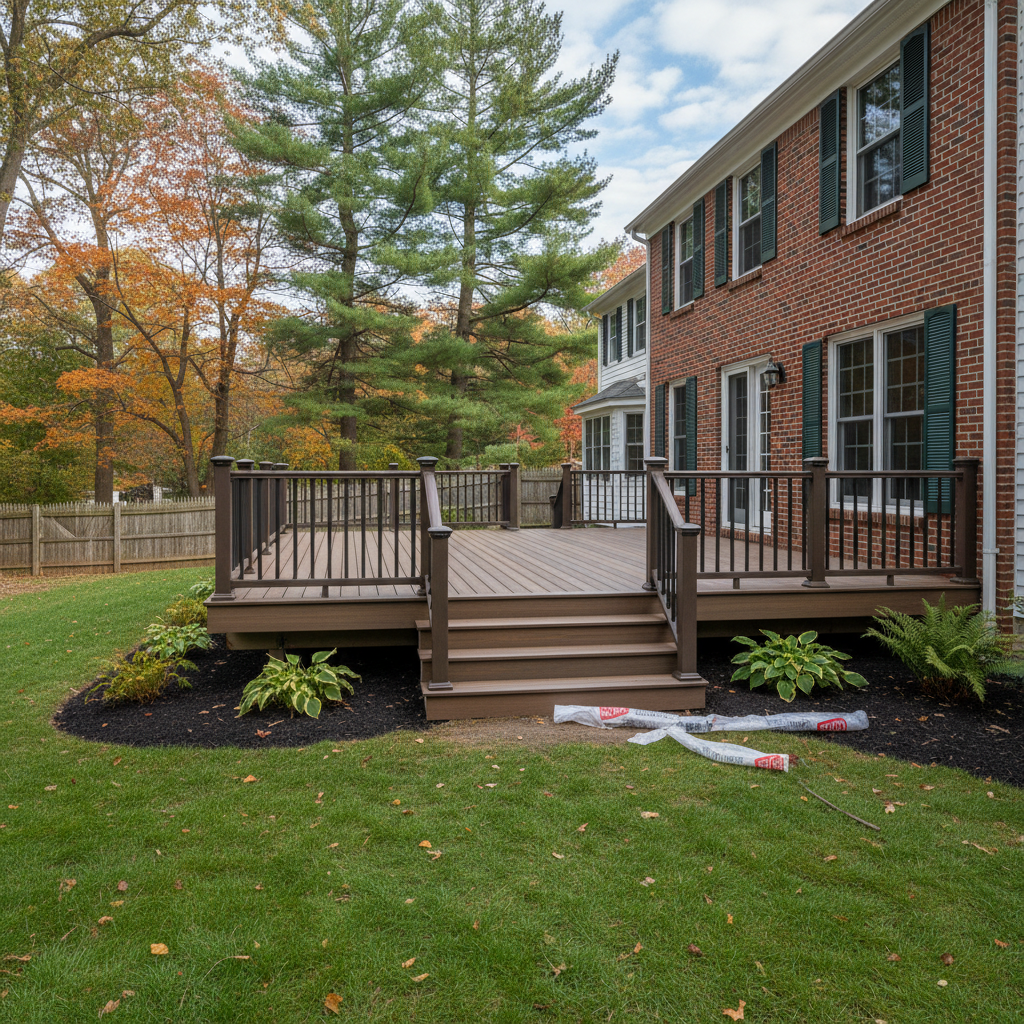
So, you're looking at a Trex deck. Smart choice, honestly. They’re low-maintenance, look fantastic, and stand up to a lot. But living here in Brookline, especially with our wild New England weather, there are a few things you really ought to know before you jump in. It’s not just about picking a color; it’s about understanding how our climate impacts your investment.
When's the Best Time to Build a Trex Deck Around Here?
People always ask me, 'When's the best time to build?' My answer usually surprises them: it's not always spring or summer. While those are popular, and we do a ton of work then, there are advantages to other seasons too.
Spring is great, don't get me wrong. The ground's thawing, everyone's itching to get outside. But it's also when everyone else wants their deck built, so lead times can get long. Plus, we can get a lot of rain, which slows things down. We can work in light rain, but heavy downpours? Forget about it. It makes the job site muddy, unsafe, and just plain miserable.
Summer's good too, especially July and August. Long daylight hours mean we can get more done. The biggest challenge then is the heat. Working with composite materials in 90-degree heat isn't fun, and it can affect how the material handles. We also have to watch out for those pop-up thunderstorms that roll through. They can halt work for hours.
Now, here's a secret: fall can be fantastic. September and October often give us those crisp, clear days that are perfect for construction. The ground is usually dry, the temperatures are comfortable, and you might even beat some of the spring rush. You could be enjoying your new deck for Thanksgiving, or at least have it ready to go for the first warm day next year.
Winter? It's tricky. We've done winter builds, especially for clients who want to be ready for spring. The biggest issues are frozen ground, which makes digging footings a nightmare, and snow. If we get a foot of snow, we're not building anything. But on a mild, dry winter day, we can absolutely get work done. It just takes careful planning and flexibility. If you're thinking about a winter project, give us a call at Pioneer Deck Solutions, and we can discuss the specifics for your property.
How Our Local Weather Affects Trex Decks (and Installation)
Brookline isn't just 'New England weather'; we've got our own quirks. For example, those old triple-decker homes in Coolidge Corner often have tight backyards, which means we're sometimes hand-digging footings. If the ground's frozen solid, that's a much bigger job.
Trex material itself is incredibly durable, designed to handle our freeze-thaw cycles without rotting, warping, or splintering like wood. That's one of its biggest selling points. However, extreme temperature fluctuations during installation need to be managed. Composite decking expands and contracts with temperature changes, just like any material. We have to account for that with proper gapping during installation. If it's installed on a really cold day, we'll gap it a little differently than on a scorching hot day to ensure it performs correctly year-round.
Humidity is another factor. While Trex doesn't absorb moisture like wood, a very humid day can make the material feel a bit softer during handling. It's not a huge issue, but it's something we're always aware of. Wind can also be a pain, especially when we're lifting long, heavy boards or working with railings. Safety is always paramount, and high winds can make certain tasks risky.
Protecting Your Trex Investment Year-Round
The beauty of Trex is how little you need to do. You won't be staining or sealing, ever. But 'low maintenance' isn't 'no maintenance.' Here's what I tell all my clients:
- Keep it Clean: A simple sweep with a broom to get leaves and debris off is usually enough. For tougher dirt, use a soft-bristle brush and warm, soapy water. Don't use a pressure washer over 1500 PSI, and always use a fan tip. Too much pressure can damage the surface.
- Watch for Stains: Grease from the grill, spilled drinks, or even berries can leave marks. Clean them up quickly. Most common household cleaners (check Trex's recommendations first!) will do the trick.
- Snow Removal: You can shovel snow off your Trex deck. Just make sure you use a plastic shovel, not a metal one, to avoid scratching the surface. Never use rock salt or calcium chloride-based ice melt, as these can leave a white residue. Sand is a better option for traction, or look for ice melts specifically labeled safe for composite decking.
- Clear Debris: Don't let wet leaves, pine needles, or standing water sit on your deck for extended periods. While Trex won't rot, organic matter can break down and leave stains or promote mildew growth, especially in shaded areas or after our long, damp spring.
- Check Underneath: Every now and then, take a peek under your deck. Make sure there's good airflow and nothing's blocking drainage. This helps keep the area dry and prevents any issues with the substructure.
A Trex deck is a fantastic addition to any Brookline home. With a little understanding of our local climate and some basic care, it'll look great and serve you well for decades. If you've got questions or are ready to talk about your next project, give us a shout. We're always happy to help.