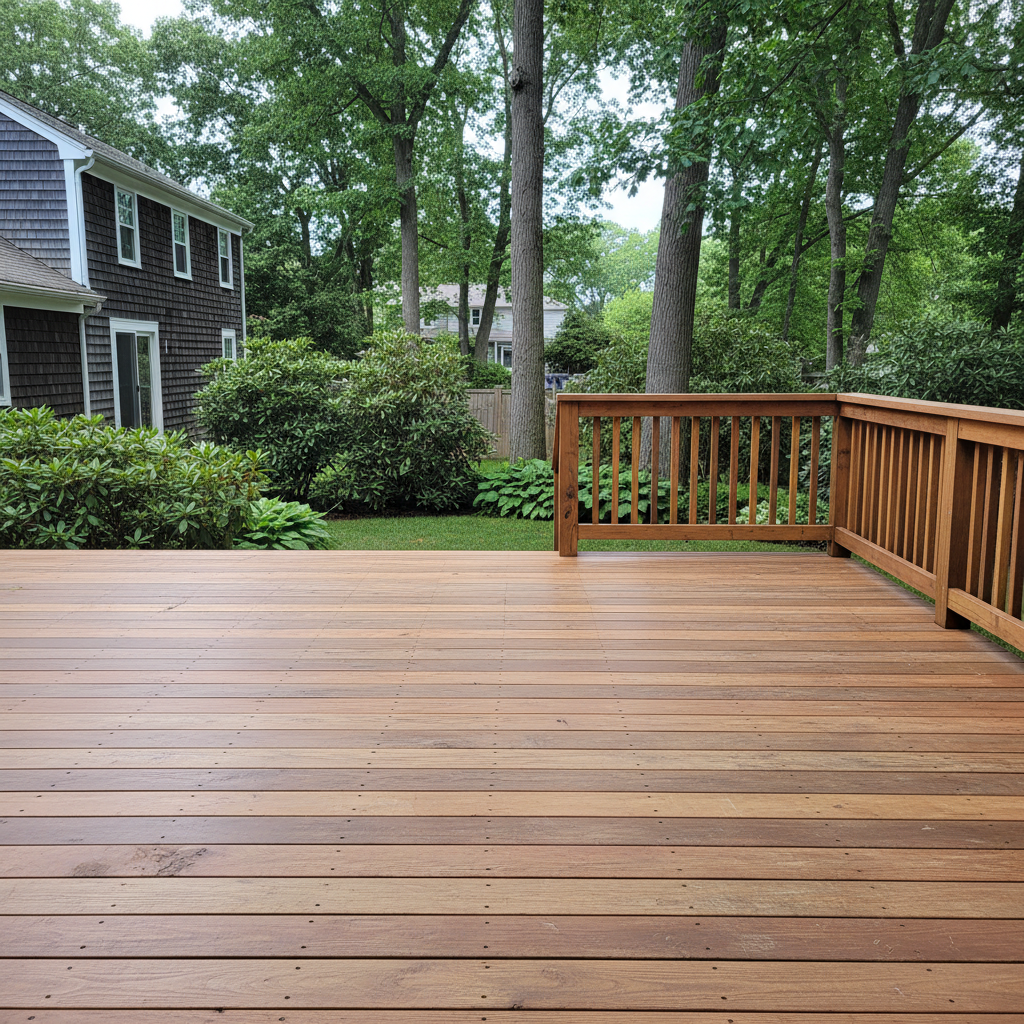
Your Wooden Deck: A Long-Term Investment
Let's talk about your wooden deck for a minute. It's more than just a nice extra; it's a real investment in your home and how you live outside. Here in Brookline, we definitely get all four seasons – I mean, really, all of them. We've got hot, sticky summers, freezing winters, and plenty of rain and snow in between. That kind of weather is brutal on wood, no two ways about it. But if you handle it right, you can add years to your deck's life and keep it looking fantastic.
I've built and fixed countless decks around here over the years, from those grand old Victorian places in Cottage Farm to the newer builds near Washington Square, and I've certainly seen what works and what doesn't. Good maintenance isn't just about looking pretty, you know? It's about keeping the structure sound and, most importantly, safe. You want your deck to be a place to kick back and relax, not something that keeps you up at night.
Regular Maintenance: Your Deck's Best Friend
Think of deck maintenance like changing the oil in your car. It's just part of the routine, totally necessary, and it stops bigger, more expensive problems from popping up later. Here's what I always tell my clients:
Clean it Annually (or Twice a Year): You'd honestly be amazed what a good cleaning can accomplish. I usually suggest a thorough scrub at least once a year, typically in the spring once all the snow and ice have finally cleared out. Maybe another time in the fall before winter really hits. Make sure you use a proper deck cleaner – don't just grab the bleach; that stuff can be way too harsh and actually damage the wood fibers. A cleaner made for decks will handle mildew, algae, and dirt without hurting the wood. A pressure washer can be super helpful, but please, use it carefully! Too much pressure can gouge the wood, especially softer types like cedar. Keep that nozzle moving and hold it a safe distance from the surface.
Inspect Regularly: Take a walk around your deck once a month, especially after a big storm. Look for any loose screws or nails, wood that's splintering, or even little signs of bugs. Check the railings – are they solid? Give them a good shake. If you can, peek underneath too. Do the joists and beams look okay? A quick check like this can catch small issues before they turn into major headaches.
Seal or Stain Every 2-3 Years: This is probably the most crucial step for getting the most life out of your deck. A good quality sealant or stain works like sunscreen and a raincoat all in one for your deck. It shields the wood from UV damage, which is what makes it gray and crack, and it pushes away moisture, preventing rot and mildew. The exact timing depends on the product you pick and how much sun your deck gets, but generally, every two to three years is a pretty solid rule of thumb for our climate. Don't skip this part. It's what stops the wood from drying out and splitting, especially with our dry winter air followed by that sudden spring thaw.
Keep it Clear: Don't let leaves, dirt, or even potted plants sit right on the deck surface for too long. They can trap moisture, and that leads to rot and staining. Move those planters around every so often, and sweep off debris regularly.
Warning Signs: When to Pay Closer Attention
Your deck will definitely tell you when it needs some help, if you know what to listen for. Don't ignore these signals:
Soft or Spongy Spots: If you step on a board and it feels soft or gives a little, that's a huge red flag for rot. This often happens where water tends to collect or where wood stays wet, like near downspouts or under potted plants.
Deep Cracks or Splits: Small surface cracks are normal as wood gets older, but deep, long cracks can really weaken a board. Splintering also tells you the wood is drying out and needs some TLC.
Loose Railings or Posts: This is a safety issue, plain and simple. If your railings wobble, or if the posts feel unstable, get someone to check it out right away. People lean on these things, after all.
Fungal Growth or Discoloration: Black, green, or white patches of mold, mildew, or algae aren't just ugly; they're a sure sign of moisture problems and can really contribute to wood decay.
Insect Damage: Tiny holes, little trails of sawdust, or crumbling wood could mean carpenter ants or termites have made themselves at home. These pests can cause serious structural damage if nobody stops them.
When to Call a Professional (Like Pioneer Deck Solutions)
Look, I'm a big fan of doing things yourself, but some jobs are just better handled by the pros. If you spot any of those serious warning signs I just mentioned – widespread rot, major structural problems, or significant insect damage – it's time to pick up the phone. Don't try to just patch over serious issues; you could be putting your deck's safety at risk. A professional can properly check out the damage, figure out what's causing it, and recommend the right repairs or even a full replacement if that's what's needed.
Also, if you're not comfortable with pressure washing, or if you're not sure about the right type of stain or sealant for your specific kind of wood, that's another good reason to give us a call at Pioneer Deck Solutions. We've got the experience and the proper tools to get the job done right and efficiently, making sure your deck stays safe and beautiful for years to come. Your deck is a big part of your home; let's keep it that way.