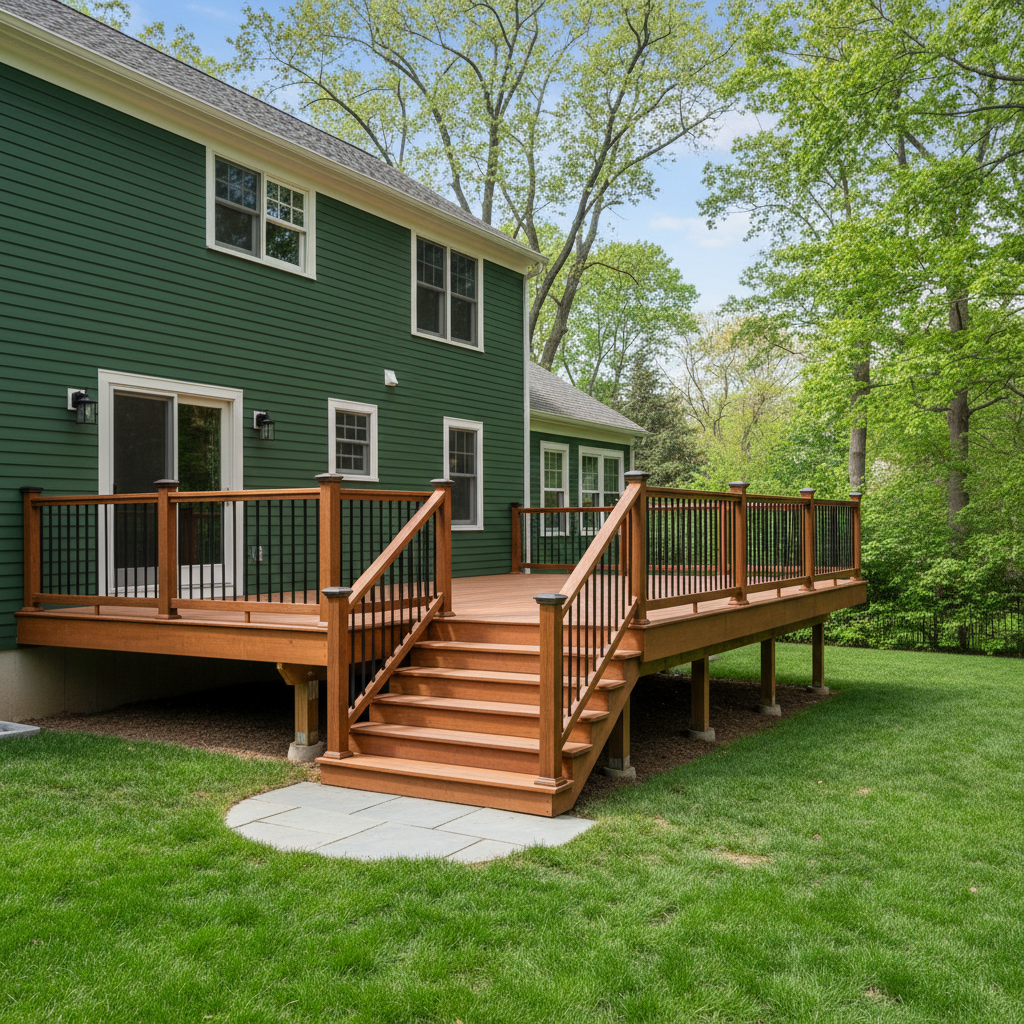
You've got a deck that's seen better days, right? Maybe it's just a few loose boards, some wobbly railings, or it just looks faded and tired. So you start thinking, "Time to get that deck repaired." That's a great idea, honestly, but I've seen folks around Brookline make some pretty common mistakes when they're planning or hiring for these projects. And trust me, those mistakes can cost you time, money, and a whole lot of regret.
Mistake #1: Not Knowing What You Actually Need
This is a big one. A lot of homeowners call me up saying, "My deck needs repair," but they haven't really looked closely at what's going on. Is it just a few rotten boards? Is the whole substructure compromised? Is it a railing issue, or is the deck ledger board pulling away from the house? These are very different problems, and they come with very different solutions and price tags.
Before you even pick up the phone, do a little detective work. Walk around your deck. Push on the railings, give 'em a good shake. Look for soft spots in the wood, especially where it meets the ground or where water tends to pool. Check the posts and beams underneath. If you're not sure, take some pictures. The more information you have, the better you can explain the problem. That way, you're less likely to get talked into something you don't need or, worse, get a repair that doesn't actually fix the core issue.
Mistake #2: Focusing Only on the Lowest Bid
I get it, everyone wants a good deal. But when it comes to deck repair, the cheapest bid often ends up being the most expensive in the long run. There's a reason one quote is significantly lower than the others, you know? Maybe they're cutting corners on materials, skipping necessary steps, or they're just not experienced enough to properly assess the job.
Think about it. If someone quotes you a price that seems too good to be true, it probably is. You're not just paying for lumber; you're paying for expertise, proper tools, insurance, and a crew that knows what they're doing. A low-ball bid can mean:
- Shoddy workmanship that fails quickly.
- Using inferior materials that won't last through our harsh New England winters.
- No proper insurance, leaving you liable if someone gets hurt on your property.
- Hidden costs that pop up once the work starts.
Always ask for a detailed breakdown of the quote. What materials are they using? How long do they expect the job to take? What's included, and what's not? Don't be afraid to ask questions; a reputable contractor won't mind explaining their pricing.
Mistake #3: Ignoring Permits and Local Regulations
This is a trap many Brookline homeowners fall into, especially with what they think are